
Field notes
100buy Spreadsheet: the detailed reading room
The original specialist explanations and interactive tools, collected in one place. Start with the buying guide for the full order journey.
A care grid that rewrites itself for your home
The care matrix sets sixteen catalogue shelves against five jobs: washing, drying, storing, reviving and small mends. Pick the conditions you actually live with and every square is rewritten to suit them.
Each square begins from the same rule. The care label sewn into the item comes first; the matrix only fills in what a label leaves out, such as how to get a flattened coat back to shape or where to dry a jumper in a flat with no airer.
What this 100buy Spreadsheet covers, and where 100buy comes in
Here is what a 100buy Spreadsheet is: a product catalogue of listings from Chinese marketplaces, grouped into shelves, which you browse before asking an agent to buy for you. In that arrangement 100buy is a shopping agent: you tell it what you want, it pays the seller in China, the seller ships to 100buy's warehouse, staff look the item over and take pictures, and later the lot travels on to you with postage you pay.
This guide does neither job. It sells nothing, takes no orders and has no connection to 100buy beyond writing about it. What it adds is the stretch nobody covers after the tracking page says delivered: how a coat that crossed the world squashed in a bag gets its shape back, which shelves tolerate a warm wash, and how to tell ordinary wear from a fault.
Read it next to 100buy's own help pages rather than instead of them. When a sentence here relies on 100buy, it says which page and the date we read it.
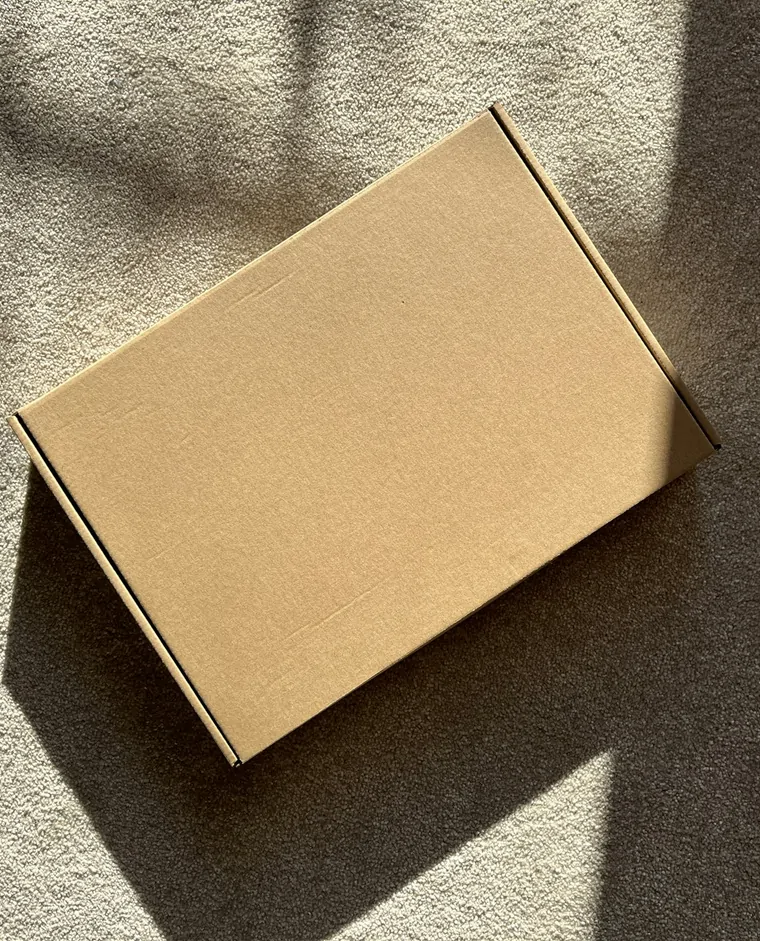
The first week, from doorstep to wardrobe
Much of the harm done to new clothes happens in the first few days rather than in the wash. A padded coat left in its compression bag, trainers sitting in a crushed box, a knit hung on a hook while still damp: each one sets a shape that takes weeks to undo, if it undoes at all.
The strip below follows a typical parcel. Open it the day it lands, air and reshape everything on the first evening, try each piece on before anything is washed, and only then begin the routines on the care pages. The longer version, including what each of 100buy's packing choices leaves you to undo, is on the first days page.
Washing and drying, shelf by shelf
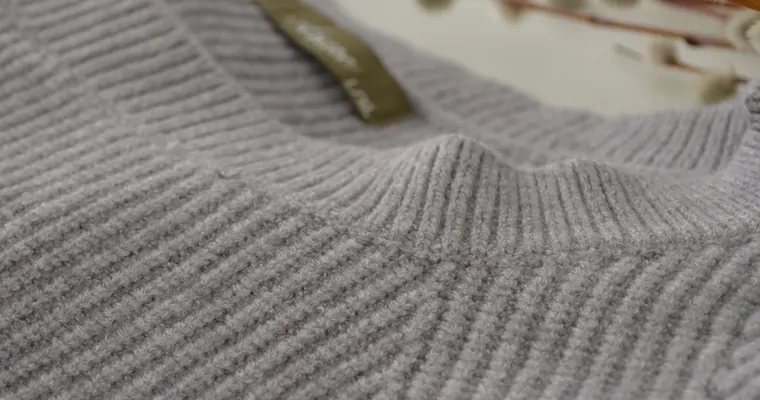
Most laundry advice is written one fabric at a time. The catalogue is arranged by shelf, so this guide follows the shelves instead: printed tees and hoodies, dark denim, knitwear, socks, padded coats and caps each get a water temperature, a cycle and a drying method of their own.
Two pages carry it. Washing deals with temperature, turning things inside out, mesh bags, shared machines, pet hair and the fabric shaver. Drying and pressing is for homes without a tumble dryer, flats where laundry never quite dries, and the habit of steaming before ironing that keeps most prints intact.
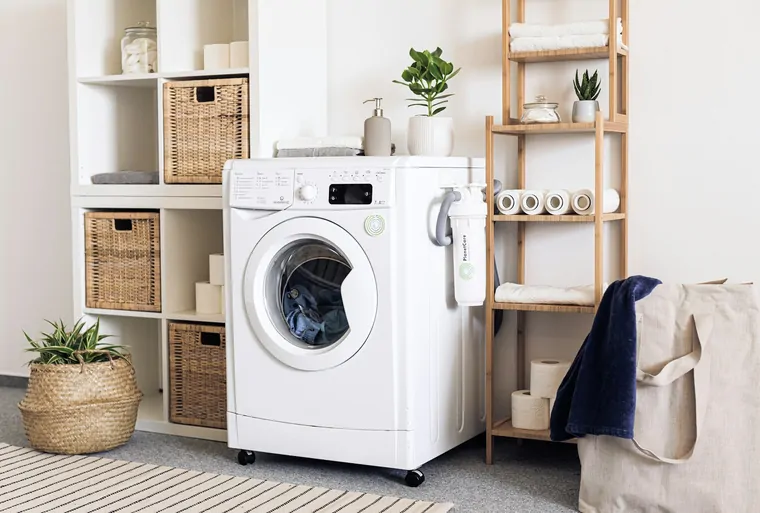
Storage that holds a shape between seasons
Clothes spend far longer in drawers than on bodies. Knitwear folded rather than hung, caps stacked so the crowns nest, bags stuffed so their sides stay up, and nothing put away damp: the storing page works through each shelf, then deals with small wardrobes and rooms that run damp.
It is candid about sealed storage bags too. They earn their space for summer layers, but padded coats and knits are better kept in something that lets air through.
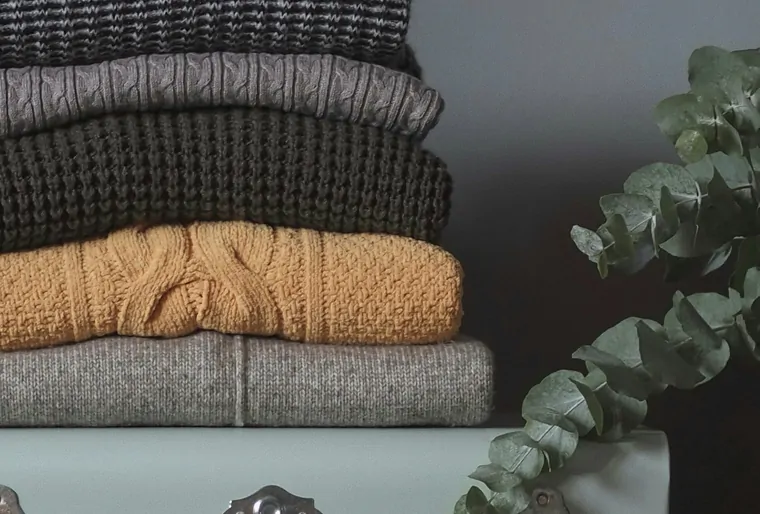
Materials that need a routine of their own
Four groups of things break the usual laundry rules, so each has its own page.
- Leather, suede and faux leatherWipe, brush and rest: smooth leather wants conditioning, suede a dry brush, coated faux leather distance from heat.
- Metal and jewellerySlow the darkening on silver, keep plated pieces clear of perfume and water, and give each piece a pouch.
- Shoes and capsShape is most of the job: paper or shoe trees in trainers that came out of their box, a form under any cap you wash.
- Small mendsA loose button or a pulled loop is a short job at the kitchen table; the wear or fault page shows which mends are yours.
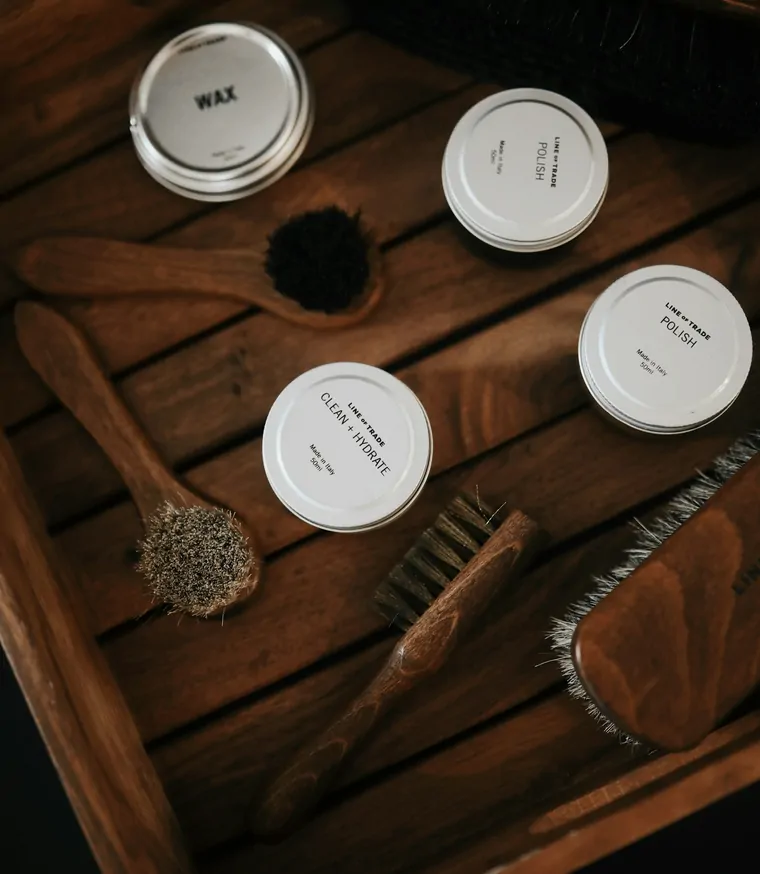
Ordinary wear set against a real fault
Bobbles on the elbows of a jumper after a month of wear are wear. A seam that splits the first time you sit down is not. The difference matters, because what you can do about each is not the same.
The wear or fault page lays out the signs of each, what a quick look in the warehouse can and cannot tell anyone, and which small repairs are worth doing at home before a piece is written off.
Prices, rates and the ordering side
Care begins before the order is placed. The packing choices you tick, whether a listing says how the item should be washed, and what the whole thing costs all shape what arrives at your door.
The ordering page covers 100buy's fee page, our own check of its exchange rate against the mid-market rate, and how to read a listing with aftercare in mind, including the few warning signs worth spotting before you pay.
Notes on this edition
Last updated 19 October 2026. Facts about 100buy on these pages were read from its public help pages and menus on that date. The care advice is drawn from published guidance by textile bodies, government housing advice and makers of care products, and is written here as usually or in practice.
We have not run washing or storage trials of our own, so treat none of this as a test result. Spotted something out of date? The about page explains how to tell us and how corrections are handled.