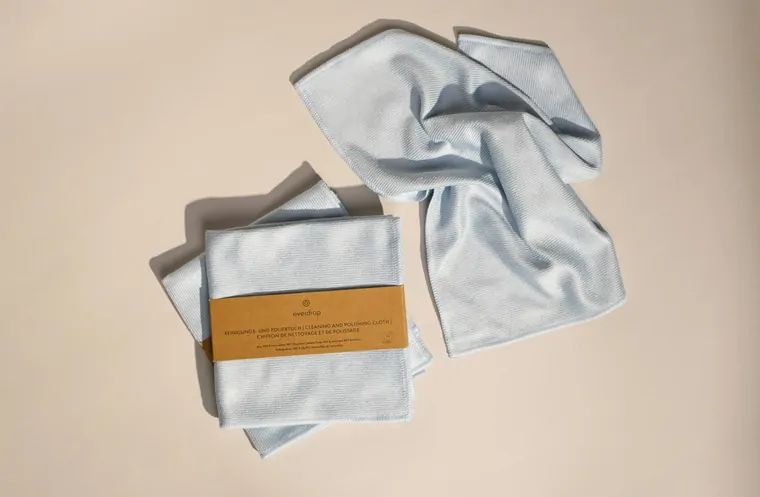
Jewellery and metal hardware that keeps its colour
Metal does not need much, but what it needs is specific: dry storage, distance from perfume and water, and a separate place for each piece. The pages below go group by group.
Metal jewellery, tarnish and storage pouches
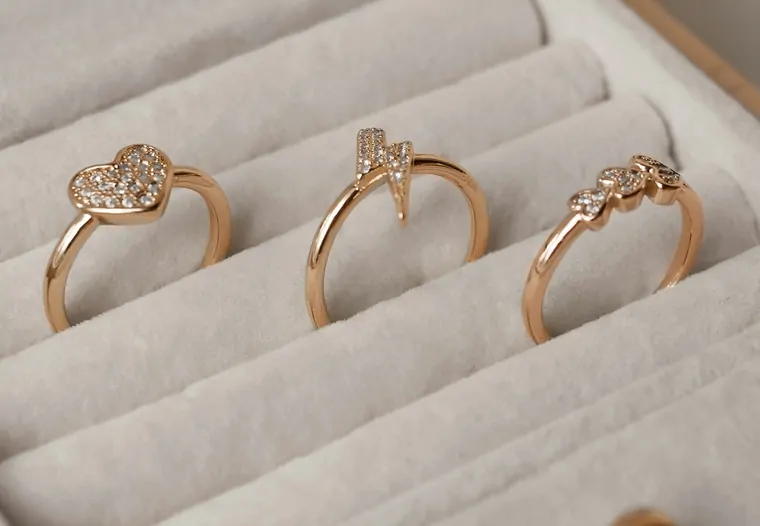
Jewellery from the catalogue tends to fall into three groups: solid silver, plated pieces (a thin layer of gold or silver colour over another metal), and steel or other base metals. The routine differs, but the threats are the same: moisture, chemicals from perfume and lotion, and other jewellery rubbing against it.
A good default for all of them is to keep pieces dry, put them on after perfume and creams, take them off before washing, swimming or exercise, and store each one in its own small pouch or compartment. Wipe with a soft cloth after wearing.
The listing or the piece itself may say which group it belongs to. If it does not, treat it as plated, which is the most delicate of the three.
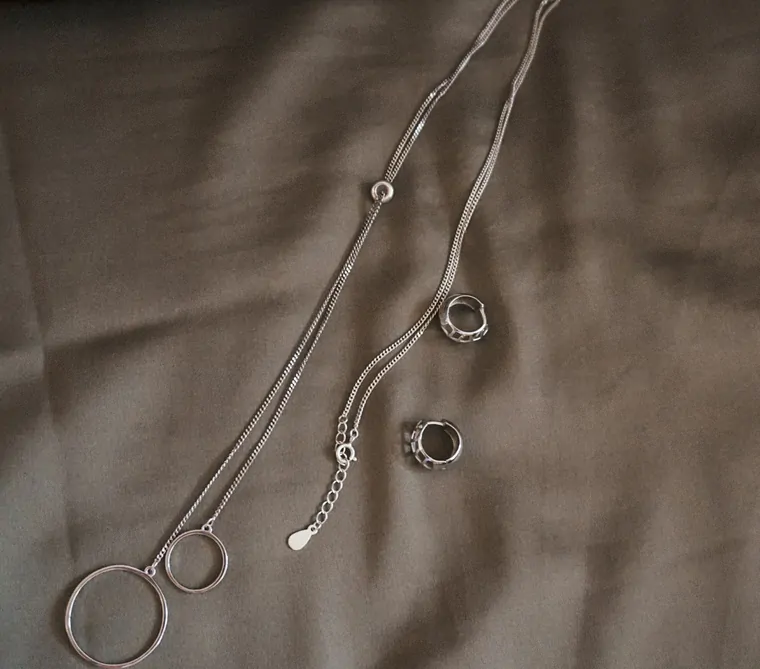
Silver that darkens and how to slow it
Silver darkens because sulphur compounds in the air react with its surface and form a thin black layer. It happens faster in humid rooms and near things like rubber bands, wool and some foods. It is a surface change, not damage.
Slowing it down is easier than removing it. Store silver in a closed pouch or a small zip bag with an anti-tarnish strip or a sachet of silica gel, and wear it often; regular wear and wiping keeps light darkening at bay.
When it does need cleaning, a soft silver cloth used gently is usually enough. Polishing removes a little metal each time, so polish only when needed. Never polish plated pieces this way; see below.
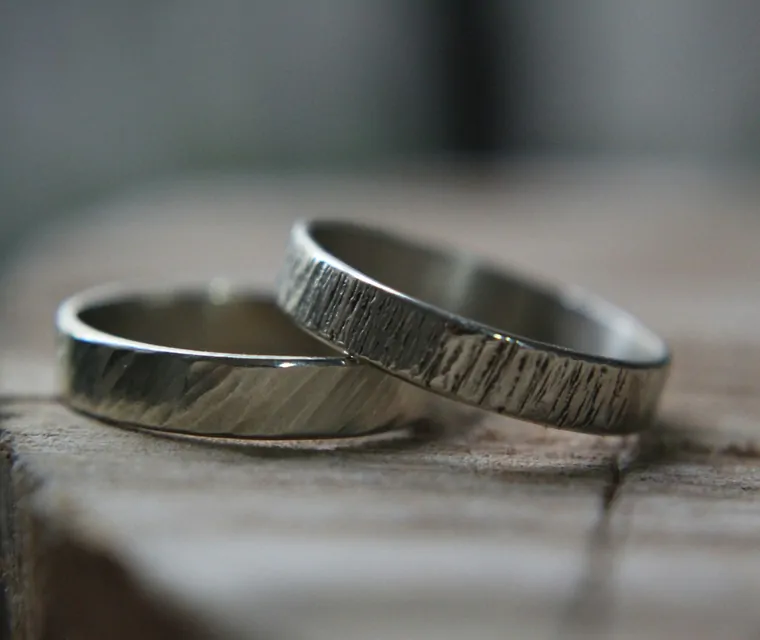
Plated pieces: last on, first off
Plating is thin, and rubbing, chemicals and water all wear it away. The habit that protects it most is simple: plated jewellery goes on last, after perfume, lotion and hairspray have dried, and comes off first, before washing hands, showering, swimming, cleaning or the gym.
Clean plated pieces only with a soft dry cloth or, if they are grubby, a little mild soap and water followed by thorough drying. Skip polishing cloths, toothpaste, abrasive pads and dips, all of which can strip the colour layer.
Store each piece separately. Plated rings and chains rubbing together in a dish wear through far faster than ones kept apart.
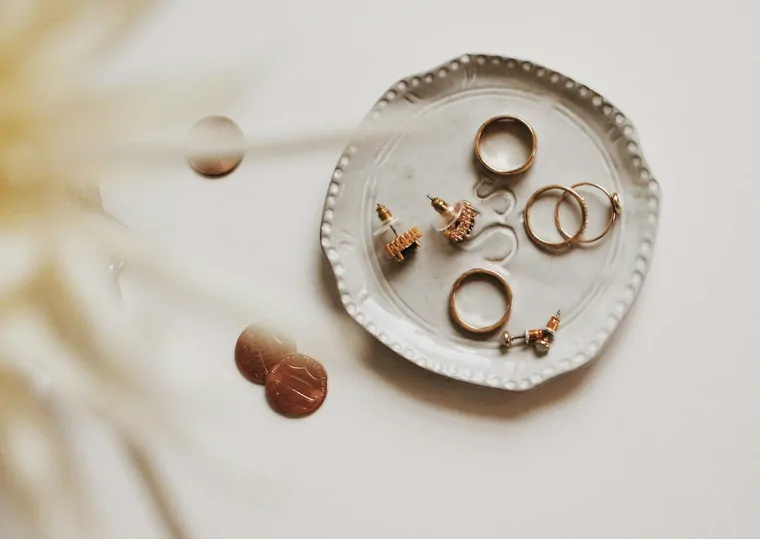
A pouch for each piece
The cheapest jewellery care there is: a soft pouch, a compartment box or even a line of small zip bags. Separate storage stops chains knotting, stones scratching plated surfaces and silver rubbing against base metal.
Keep the box somewhere dry, not in the bathroom where steam and sprays collect. Add a silica gel sachet to the box and replace it now and then.
Travel is when pieces get lost or damaged. A small hard case with separate sections is worth the space in a bag.
Watches, buckles and metal hardware
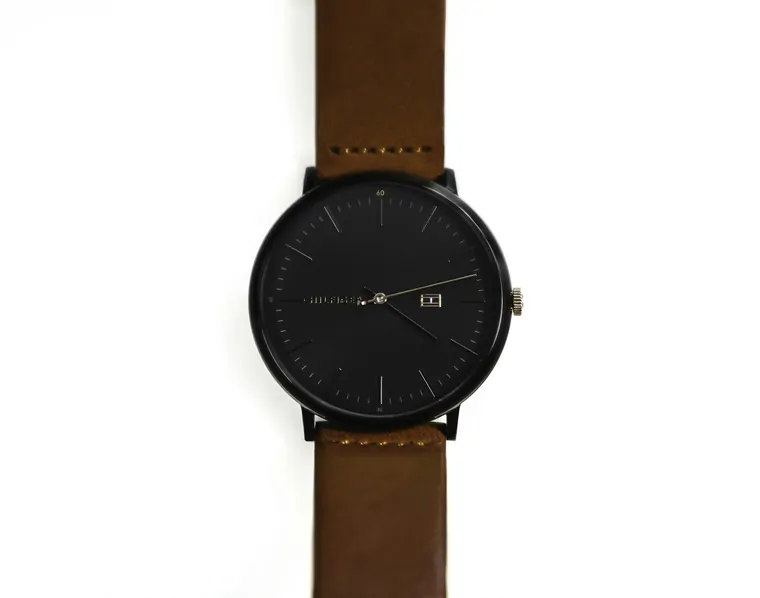
Treat watch straps as their material dictates: leather straps get the leather routine and a rest overnight, metal bracelets a wipe with a soft cloth and occasionally a soft brush in the links. Check the watch's own water rating before getting it wet, and do not assume a catalogue listing's claim on that point.
Belt buckles, bag clasps and zips with metal pulls dislike being put away wet. Dry them after rain, and keep perfume and hand cream off them where you can.
This guide stops at the case and strap; anything inside a watch, including batteries, is outside what it covers.
Eyewear frames and lenses
Glasses frames and sunglasses from the catalogue are cleaned with lukewarm water and a drop of mild washing-up liquid, rinsed, and dried with a clean microfibre cloth. Dry wiping a dusty lens grinds grit across it and leaves fine scratches.
Keep them in a case when they are not on your face, and set them down lenses up. Heat warps frames, so the dashboard of a car in summer is the worst place for them.
Tighten loose hinge screws with a small screwdriver if they work free; a sagging frame left alone tends to bend further.