Washing the catalogue, shelf by shelf
Start with the label sewn inside the item, because it outranks everything here. What follows fills the gaps a label leaves, shelf by shelf, and is written as what usually works rather than as fixed rules.
Washing temperatures for each shelf
Most of the catalogue washes happily at 30 °C or cooler. A cool wash is gentler on prints, dyes and elastic, and modern detergents are made to work at low temperatures. Warmer settings are for the few things that need them, such as plain light socks, and only where the label allows.
- T-shirts and hoodiesCool or 30 °C, inside out, with similar colours.
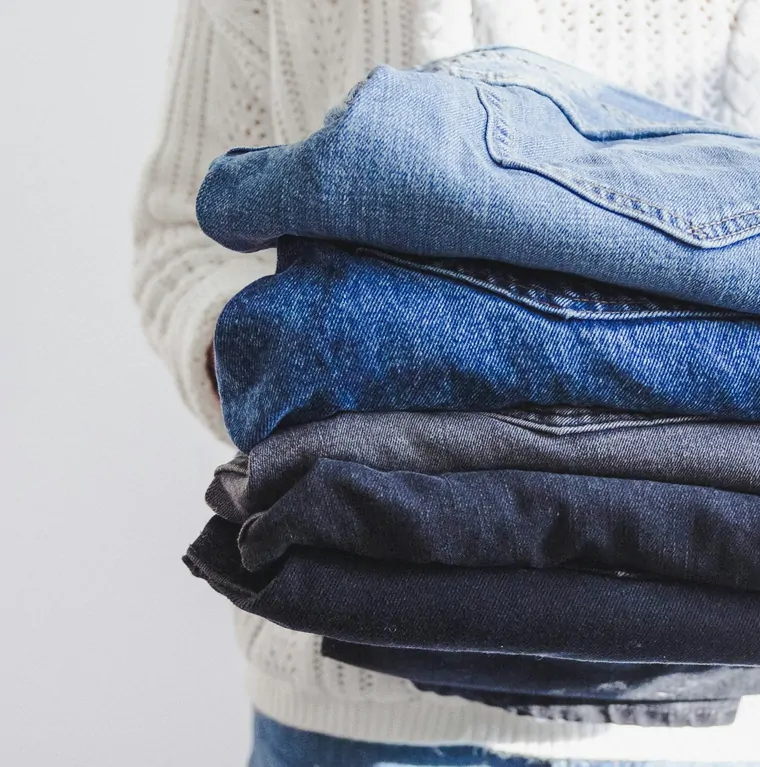
- Jeans and dark denimCool, inside out, zip and button done up; alone for the first few washes.
- KnitwearBy hand or on the wool cycle, cool water, a mild wool detergent.
- Trousers, shorts and joggers30 °C, inside out, zips closed so the teeth cannot snag.
- SocksUp to the limit on the label; pale pairs usually take a warmer wash than dark ones.
- Padded coatsOnly if the label allows a machine: gentle cycle, extra rinse, a down wash.
Treat these as starting points. If a label says 30 °C, a hotter wash is a gamble; if it says hand wash, follow it.
Prints, dark denim and anything that might bleed
For a printed garment, follow its care label first. Turning it inside out can reduce rubbing against the print during a permitted wash. Do not apply an iron directly to a print or assume that reverse-side pressing is permitted for every transfer; check the garment and decoration instructions before using heat.
Dark denim sheds dye, most of all in its first washes. Turn jeans inside out, do up the zip and button, wash them cool on their own or with other dark things, and dry them out of direct sun. Washing less often helps as well; airing between wears and dabbing at small marks is usually enough.
Any new piece in a strong colour, from a red hoodie to navy shorts, is worth washing alone or with similar colours the first couple of times. A dye-catching cloth in the drum is a backup, not a reason to stop sorting.
Knitwear by hand, or on the wool cycle
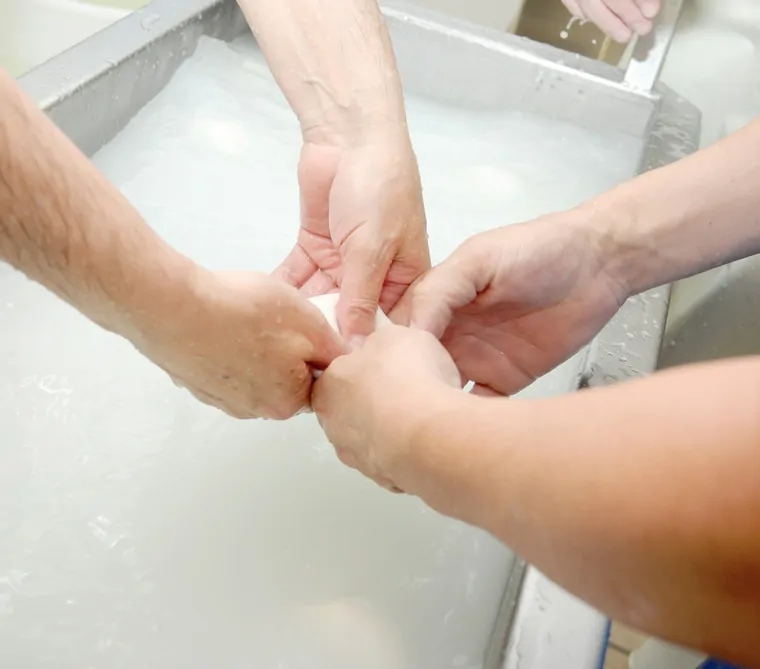
Hand washing a jumper takes about ten minutes. Fill a basin with cool water and a little wool or mild detergent, turn the knit inside out and press it gently up and down; no rubbing, twisting or wringing. Rinse in clean water of the same temperature, then roll it in a towel and press to squeeze the water out.
If the label allows a machine, use the wool or delicates cycle with a low spin. Wet knitwear is heavy and soft, so handle it gently, keep it out of the tumble dryer unless the label says otherwise, and dry it flat (see flat drying).
Knitwear rarely needs washing after a single wear. Left to air overnight on a flat surface, most jumpers are ready to wear again.
Socks, small items and mesh bags
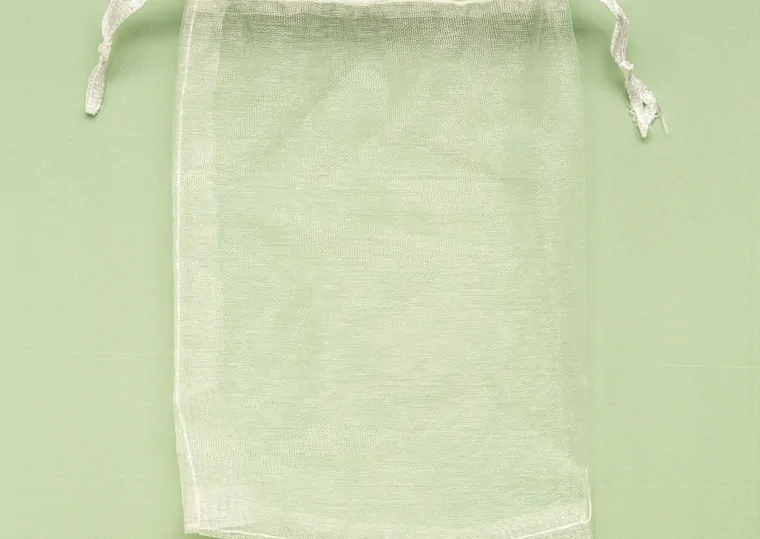
Socks, small accessories and anything with hooks or long ties are happiest in a mesh laundry bag. It keeps pairs together, stops straps wrapping around the drum, and shields fine knits from the zips on other clothes.
Use one delicate piece per bag, or several small sturdy ones, and leave room for water to move. A mesh bag does nothing to stop dye travelling, so sorting by colour still applies.
Turn socks inside out before washing, since that is where most dirt and lint collects. Pair them as they come out and dry them flat or pegged at the toe rather than hung by the cuff.
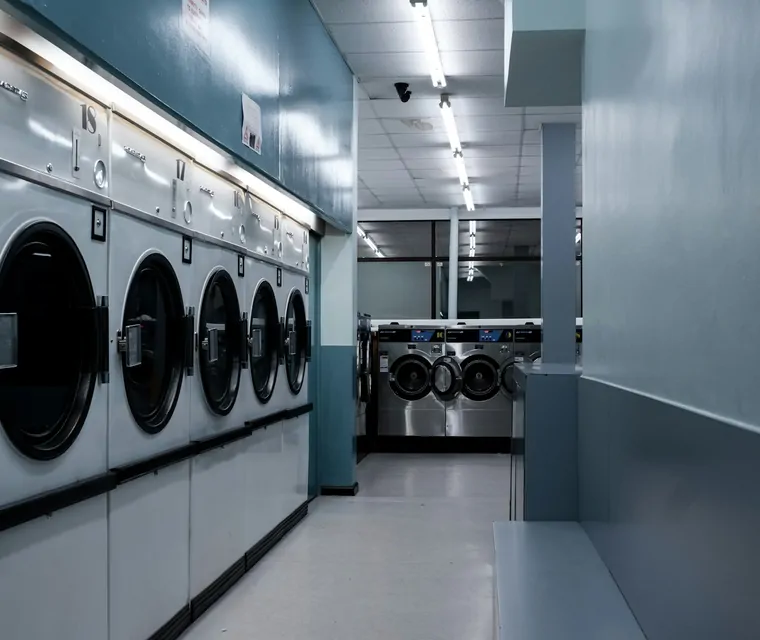
Shared machines and launderettes
A shared machine in a building or a launderette carries two risks: what the last person left in it and what you leave in it too long. Look into the drum and around the rubber seal before loading, and wipe away any residue, lint or dye with a damp cloth.
Keep anything delicate in a mesh bag, do not pack the drum full, and use the dose of detergent the pack suggests. Set a reminder so your clothes come out as soon as the cycle ends; damp laundry left sitting in a drum starts to smell, and creases set in.
Launderette dryers tend to run hot. Keep prints, knits, padded coats and anything with elastic out of them unless the label clearly allows tumble drying.
Homes with pets
Pet hair comes off far more easily dry than wet. Before washing, go over clothes with a lint roller, a strip of tape or a slightly damp rubber glove, and shake them outdoors if you can. Wet hair forms clumps that cling to the drum and can block the machine's drain.
With a tumble dryer, a short no-heat tumble before washing loosens a lot of hair into the filter. Afterwards, wipe the drum and empty the filter more often than the manual asks.
Put finished laundry away where pets do not sleep. A closed drawer or a garment cover saves rolling everything twice.
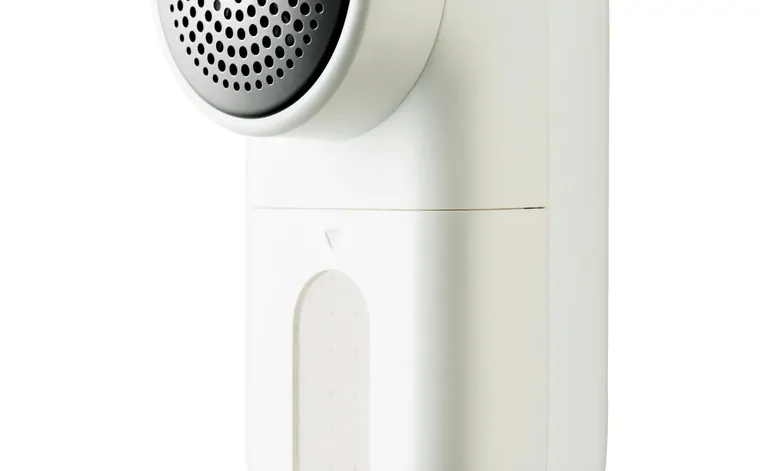
Lint, pills and the fabric shaver
Bobbles, also called pills, form wherever a garment rubs: under the arms, at the cuffs, along the sides where an arm brushes the body. They turn up on new and old knits alike and are not, by themselves, a sign of a fault.
Pick a few off by hand, or use a fabric shaver (a small battery de-piller) or a fabric comb once the garment is dry. Lay it flat, hold the fabric taut and work lightly; pressing hard can cut the yarn. Washing inside out and keeping knits away from rough bag straps slows their return.