
Unpacking day, and the week that follows
Packing is designed to cross the world cheaply, not to keep clothes looking their best. These first jobs undo the journey: let flattened things recover, let creases relax, and check the fit before water touches anything.
Unfolding a parcel that travelled flat
Take everything out on the day it arrives, even the pieces you will not wear for weeks. Clothes left folded inside a sealed bag keep the folds they were packed with, and anything compressed gets slower to revive the longer it stays squashed.
Lay the contents on a bed or a clean table, open every inner bag, and sort into three heaps: things that want air (coats, knits, anything that smells of plastic), things that want shape (caps, trainers, structured bags) and things that only need a hanger. Those three heaps decide how you spend the first evening.
A note on the plastic itself: per 100buy's inspection notes (checked 19 October 2026), the warehouse usually swaps the seller's courier box for its own self-sealing bags once an item has been checked, keeping boxes mainly for fragile or bulky goods, so the bag you open is often the warehouse's and can go straight to recycling.
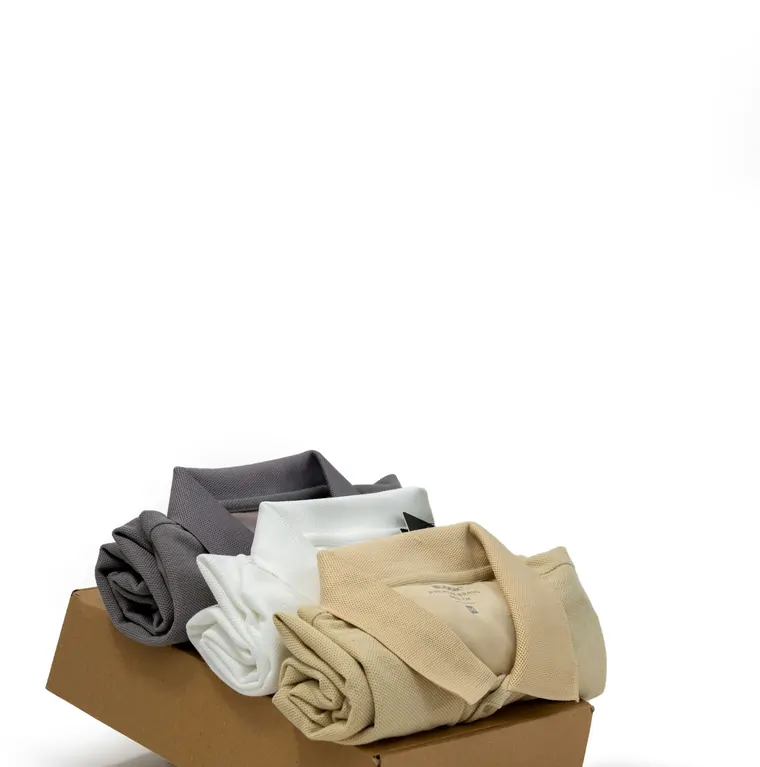
Creases from packing and how they relax
Packing creases are not the same as the wrinkles of wear. They are sharp, they sit exactly where the item was folded, and on cotton and mixed fabrics they usually soften on their own after a day or two on a hanger.
Hang shirts, trousers and dresses on a proper hanger with the top button done up and a little room either side. Warm, slightly humid air helps: a bathroom after a shower works well, as long as the garment stays out of the spray. Smooth the fabric downwards with your hands afterwards and leave it to dry off.
If a crease survives a couple of days, steam is the next step and an iron on the setting the label permits comes after that; both are covered on the drying and pressing page. Knits are the exception to the hanger rule. Lay them flat instead and ease them back into shape by hand.
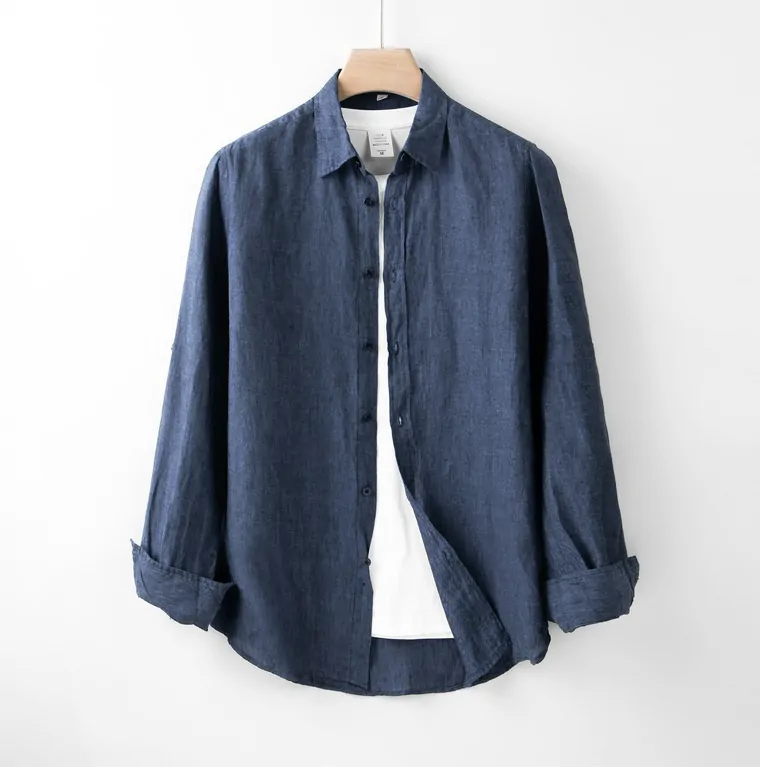
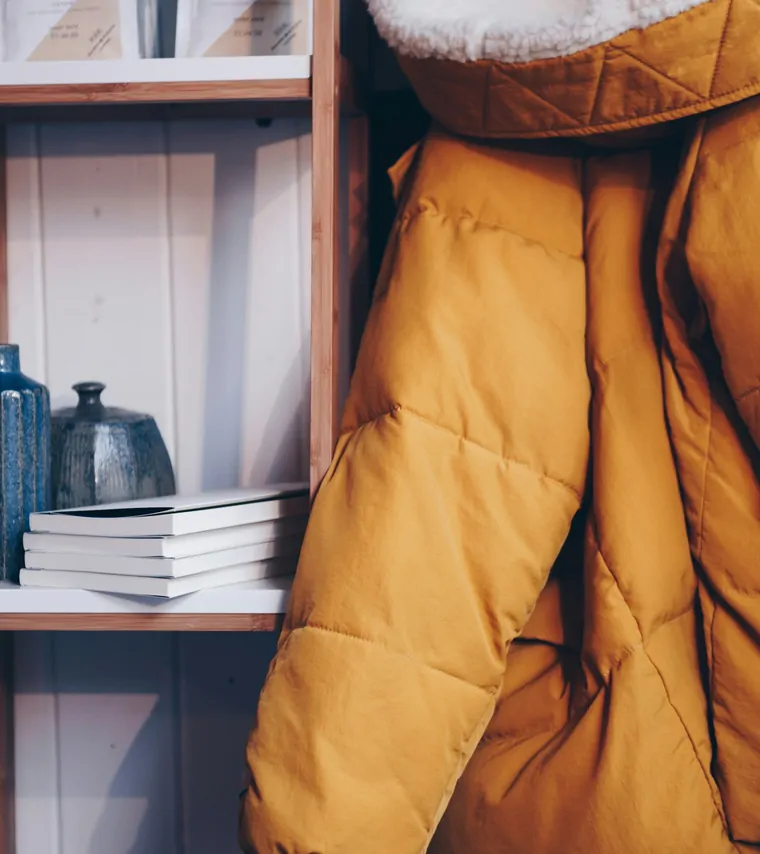
Down and padded coats after a vacuum bag
If a coat was vacuum packed, either because that option was ticked on 100buy's packing menu or because the seller compressed it before posting, it will come out looking thin, flat and creased. That is expected. Down and synthetic filling both recover, but they need air and movement to do it.
Open the bag the day it arrives. Hold the coat by the shoulders and shake it hard, then hang it on a wide hanger somewhere air can move around it. Over the next few hours, pat and squeeze each stitched section to break up clumps. Recovery usually takes anything from a few hours to a couple of days; a coat that spent weeks compressed can take longer.
A tumble dryer on low heat with two or three clean dryer balls helps the filling separate, if the label allows it. Without one, keep shaking and patting every so often. Whatever you do, do not put the coat back into a sealed bag in the wardrobe; the storing page explains why it should be kept loose.
What each 100buy packing choice leaves you to undo
100buy's public packing menu (our own check, 19 October 2026) lists options that include Minimalist packaging, vacuum bag, Shoe Tree Protection, Remove the shoebox and Remove original packaging. What they cost and whether they suit a parcel is a matter for 100buy's own pages; what matters here is the work each one hands back to you.
- vacuum bag: coats and knits arrive flattened. Shake them out, hang or lay them flat, and give them time, as above.
- Remove the shoebox: trainers travel loose and may arrive pinched at the toe. Stuff them with paper on the same day.
- Shoe Tree Protection: inserts ride inside the shoes in transit, and 100buy's menu suggests pairing them with box removal; the shape usually survives better, though the shoes still benefit from an airing.
- Remove original packaging: the retail box, tissue and shaped inserts are gone, so caps and structured bags lose their stuffing. Put some back as soon as you unpack.
- Minimalist packaging: fewer protective layers, and 100buy's own description advises against it for fragile and leather goods, so look over leather pieces for scuffs and pressure marks first.
None of these shortcuts harms an item for good if you deal with it in the first day or two. Left for weeks, the same shortcuts can fix a crease or a dent in place.
Airing out before the first wear
New things often carry the smell of the bag, the warehouse and the finishing process. Air alone usually shifts it. Hang the item by an open window or outdoors in the shade for a day before deciding it needs a wash; that also lets any packing creases drop.
Keep dark and brightly coloured pieces out of direct sun while they air, and keep leather and suede out of it altogether. If a smell is still strong after two or three days, wash according to the label, but try the piece on first, for the reason in the next section.
Try it all on before anything is washed
The most useful habit of the first week is trying every piece on, in daylight, before it goes anywhere near water. Check the fit across the shoulders, the seams under the arms, the zip from bottom to top, the buttons and the lining.
There is a practical reason too. 100buy's return page only covers items the seller can still resell, so once something has been worn or washed, a return is off the table (checked 19 October 2026).
If anything looks wrong, photograph it and write down what you see before you do anything else, then read the wear or fault page for what happens next. A wash first only muddies the picture.