
The 100buy Spreadsheet catalogue, sorted by aftercare
All 16 Spreadsheet categories
Each image links to the corresponding catalog category. Start with these buying checks, then use the specialist notes below. Listing details and agent restrictions must be confirmed for your own order.
 SneakersCompare the length and width, not only a size label.
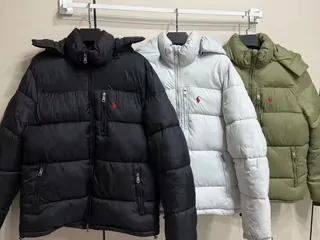 OuterwearCheck lining, closures and garment measurements.
 HoodiesRead the chest and length measurements.
 T-shirtsCompare the selected print, fit and fabric description.
 JeansMeasure waist, rise and inseam against a pair you own.
 SweatpantsCheck waistband range and leg measurements.
 WomenswearUse the item measurements; sizing varies by seller.
 JerseysConfirm the exact version, size and print options.
 BagsCheck dimensions, included straps and closures.
 HatsCheck crown size, adjustment and construction.
 BeltsCompare usable length, width and buckle fit.
 EyewearRead frame dimensions; a photo does not prove UV protection.
 PerfumeConfirm purchase and shipping eligibility before payment.
 JewelleryCheck material claims, measurements and included pieces.
 WatchesVerify the model and shipping restrictions, including batteries.
 ElectronicsConfirm the exact model, input rating and permitted route.
Every shelf of the catalogue, grouped by the care it asks for once it reaches you. Each name opens that shelf in the catalogue; the note beside it is the routine that keeps it wearable.
Knitwear, sweatshirts and tees
The shelves you will wash most often. All of them prefer cool water and a turn inside out, and all of them lose shape on a hanger when wet.
- Knitwear: hand wash or the wool cycle, dry flat, store folded; bobbles lift off with a fabric shaver.
- Hoodies: inside out with the cord knotted, dried over a rail, folded with the hood laid flat.
- T-shirts: cool and inside out, prints never ironed from the front, rolled or folded in a drawer.
- Printed sports tops: the lightest of the lot: cool, inside out, no dryer and no iron near the printed numbers or badges.
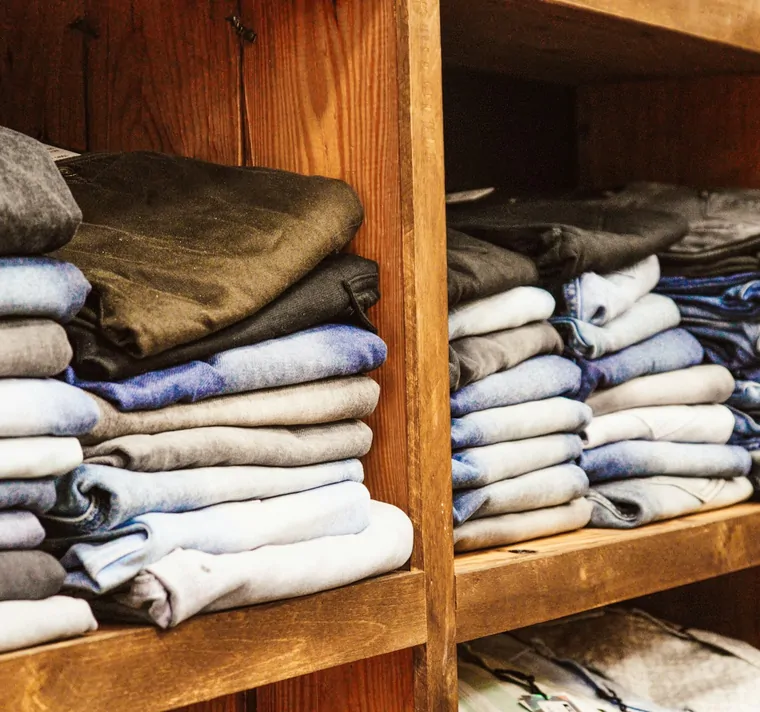
Coats, jackets and other outer layers
Outer layers are washed least and stored most. Their care is mostly about shape: wide hangers, room to breathe and no compression for months at a time.
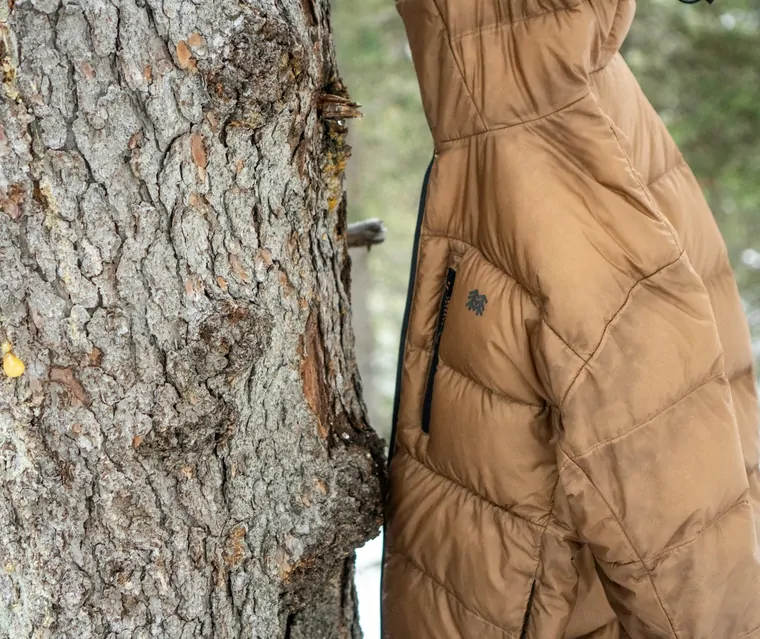
- Padded coats: shaken and patted to loft after unpacking, washed rarely, stored hanging loose.
- Jackets: zipped and inside out for a cool wash, dried on a hanger, kept on a shaped hanger.
A padded coat that arrives vacuum packed needs a day or two of air before you judge it; first days explains how to help it along.
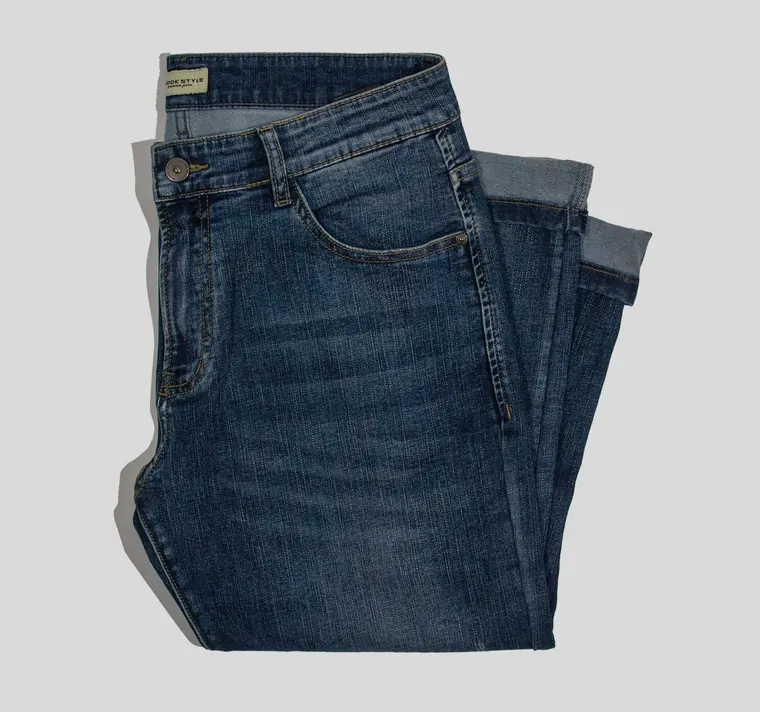
Trousers, jeans, shorts and joggers
Bottoms take the most wear at the seat, knees and cuffs. They are tough in the wash but fussy about drying: pegged in the wrong place, they stretch.
- Trousers: a 30 degree wash, pegged at the waist or hem, hung by the hem with a clip hanger.
- Jeans: washed rarely, cool and inside out, alone at first; aired and spot cleaned between washes.
- Shorts: inside out with like colours, dried flat or pegged at the waist, folded away.
- Joggers: cool, inside out, never in a hot dryer; elastic waists and cuffs last longer that way.
Socks, scarves, caps and the womenswear search
Small things get lost or misshapen more than they wear out. Mesh bags, flat drying and nested storage solve most of it.
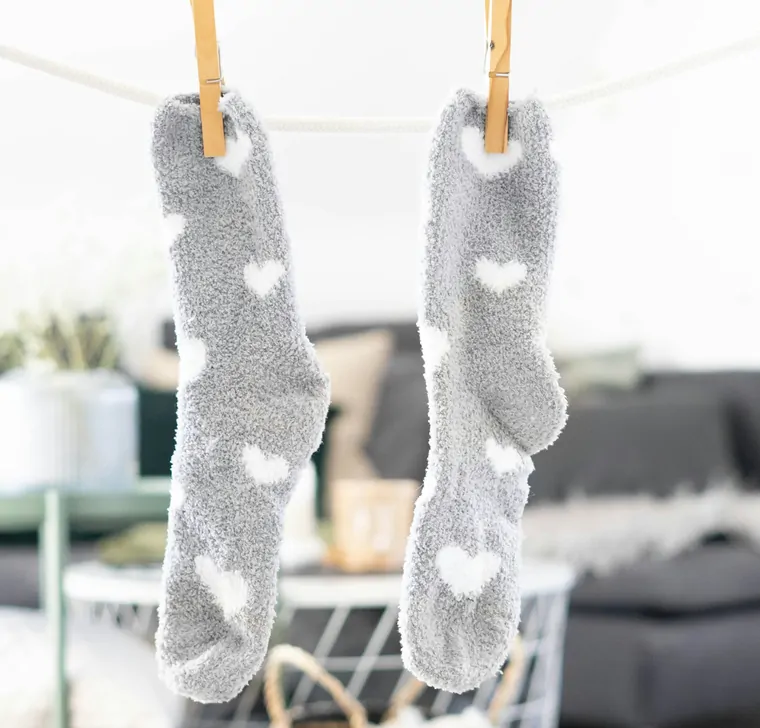
- Socks: inside out in a mesh bag, dried flat or pegged at the toe, paired rather than balled.
- Scarves: hand washed cool, never wrung, dried flat in a loose S.
- Caps: hand washed, dried over a bowl, stacked with the crowns nested.
- Womenswear search: a catalogue search rather than a single shelf, so it mixes knits, dresses and coats; each piece follows the routine for its own shelf on this page.
Shoes and sandals
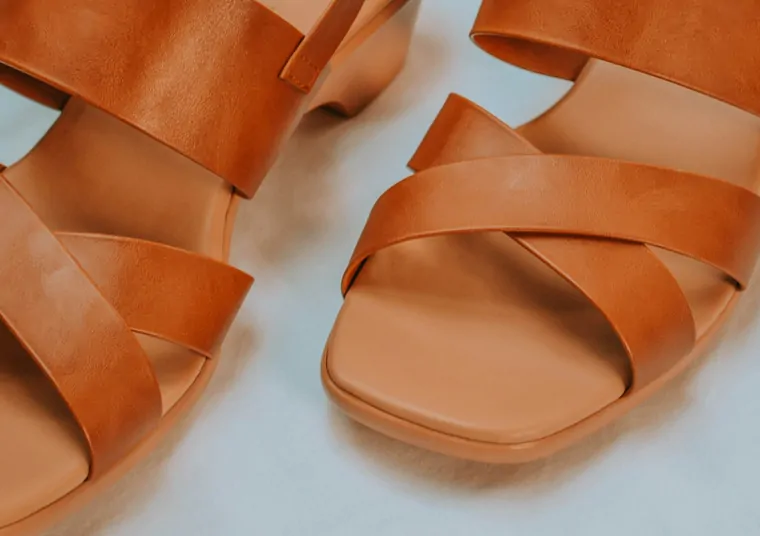
Footwear care is about shape and slow drying. None of it goes near a radiator.
- Trainers: paper in the toe if they arrive pinched, cleaned with a brush and soapy water, dried slowly.
- Sandals: leather wiped with a damp cloth and conditioned, rubber scrubbed and rinsed, all dried in shade.
The full routine, including shoe trees and drying a soaked pair, is on shoes and caps.
Bags, belts and small leather
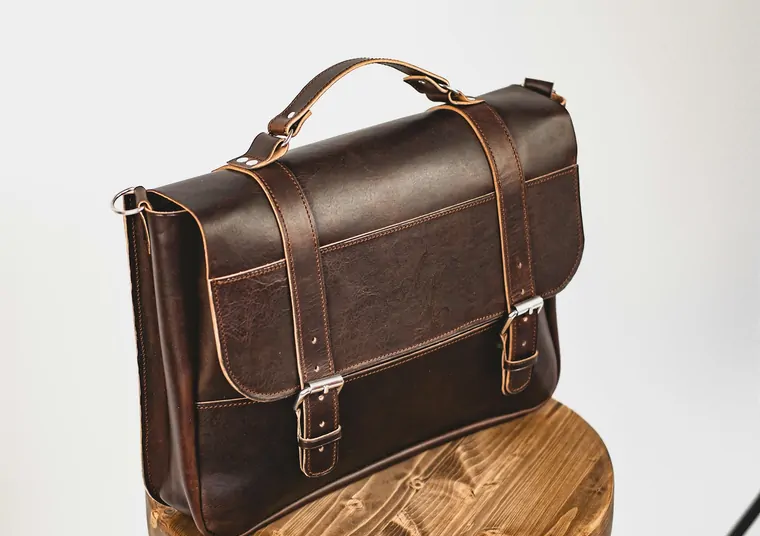
Bags and belts are cleaned by wiping, not washing, and stored with their shape supported.
- Bags: spot cleaned, stuffed with paper, stood upright in a cotton cover.
- Belts: wiped, conditioned when dry, rolled loosely or hung by the buckle.
Suede, smooth leather and coated faux leather each have their own routine on leather and suede.
Jewellery, watches and eyewear
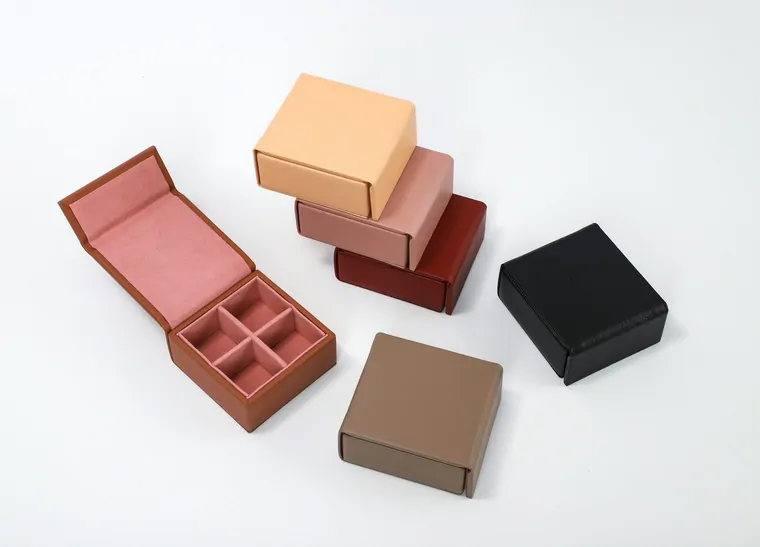
Small, hard and easily scratched. Dry storage, a pouch each and distance from perfume cover most of it.
Shelves this guide leaves alone
Some shelves have no wear-and-care routine worth writing, or need expertise this guide does not have.
- Perfume: keep bottles cool, upright and out of sunlight; beyond that, there is nothing to wash or mend.
- Electronics: anything with a plug or a battery is outside this guide, including cleaning and storage.
Headphones, speakers and other gadgets sit on the electronics shelf too; their care belongs to their own manuals.