
Wear, or a fault: reading the difference
Most changes in a well-used piece are wear, and care can slow them. A few point back to how the thing was made. This page helps you tell which is which, and what to do about each.
Where routine care ends and a fault begins
Everything that is worn changes. Knits bobble, denim fades at the knees, leather creases where the foot bends and plating thins where a ring rubs. That is wear: the item doing what items do. A fault is different. It is something that was wrong from the start, or that fails far sooner and in a way ordinary use does not explain.
The line is not always sharp, so it helps to ask three questions. Did it appear in the places that rub or flex, after weeks of use? Is it gradual rather than sudden? Would careful care have prevented it? Three yeses point to wear.
Signs of ordinary wear
- Bobbles on knits and fleece at the underarms, sides and cuffs.
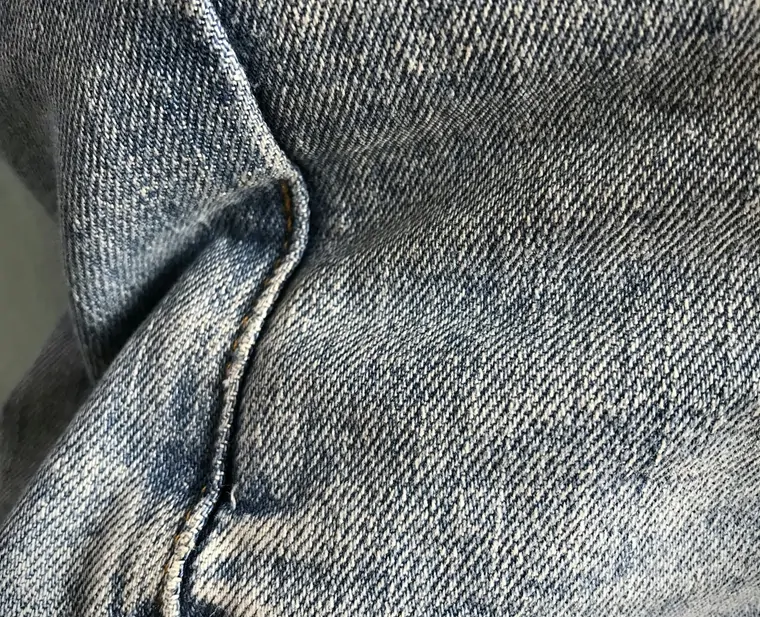
- Fading on denim at the knees, thighs and pocket edges, and a softer hand overall.
- Creases across the front of leather shoes where the foot bends.
- A slight curve in a wallet or card holder carried in a back pocket.
- Light darkening on silver, and thinning on plated pieces where they touch skin or each other.
- Elastic that relaxes a little after many washes.
None of these needs anyone else. Most respond to the revive column of the care matrix: a fabric shaver, conditioner, a silver cloth, or simply a gentler routine from now on.
Signs that point back to how it was made
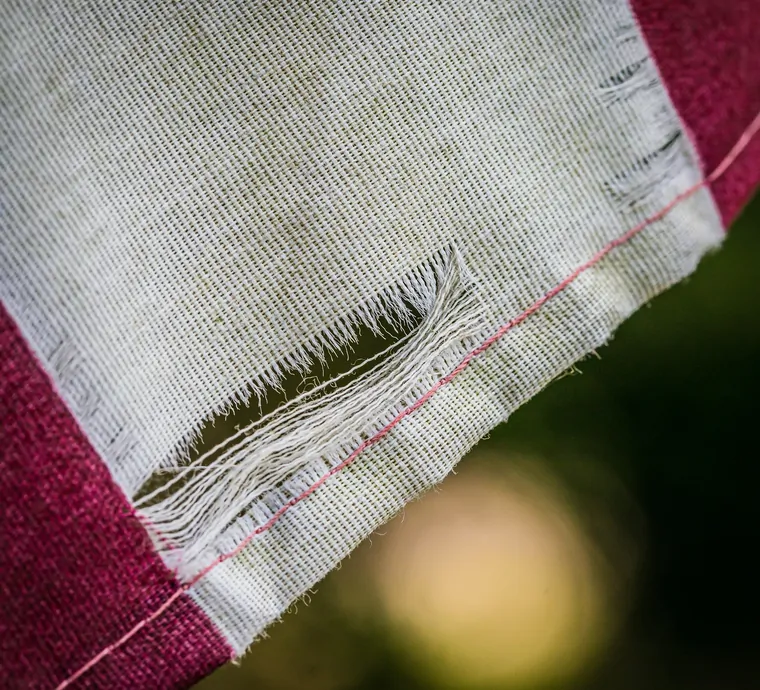
- A seam opening along a straight run of stitching on the first or second wear.
- Stitching that was never finished, with loose ends unravelling from the start.
- A zip with missing or misaligned teeth, or a slider that will not close from new.
- Colour that runs heavily onto other clothes in a cool, careful wash.
- A print that lifts or cracks after a cool, inside-out wash, early in its life.
- Hardware that snaps or comes away with light use.
Any of these, especially early on, is worth photographing in daylight before you try to fix it or wash it again.
Inspection that stops short of daily use
100buy's inspection notes list usage effect among the things its warehouse check does not cover, alongside colour difference and size error (checked 19 October 2026). In plain terms, the photos taken when an item is stocked in show what it looks like, not how it will behave once you wear and wash it.
So a jumper that looked perfect in the warehouse can still bobble in a month, and that is no one's oversight. What the photos can do is settle what condition something was in when it arrived in the warehouse, which is useful if a fault turns up later.
Small mends worth doing yourself
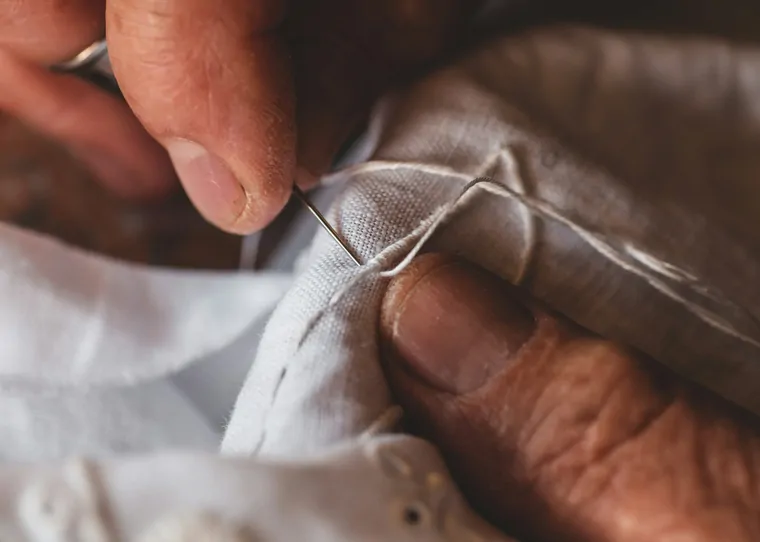
Some repairs take ten minutes and save a favourite piece. A loose button: sew it back with doubled thread through the original holes, slip a toothpick under it while stitching to leave some slack, then wind the thread a few times around the stitches beneath the button before knotting at the back. A pulled loop on a knit: ease it back in from the inside with a blunt needle rather than cutting it.
A dropped hem can be slip-stitched by hand or held with iron-on hem tape. A lost drawcord goes back through its channel on a safety pin. Anything beyond that, such as replacing a zip, resoling a shoe or repairing jewellery, is a job for a tailor, a cobbler or a jeweller.
When it really is a fault: the short version
If you are confident it is a fault, stop using and washing the item, photograph it clearly, and contact 100buy's customer service from your account. For problems that appear after some use, 100buy's help pages say it can contact the mainland seller on your behalf while the item is under warranty, as long as you still hold the original proof of purchase, with no service fee from 100buy though you cover the return postage (checked 19 October 2026).
If an item appears faulty, preserve the label, order record and photographs and ask the agent what process applies. This care guide does not determine responsibility, resale condition or remedy eligibility. Do not clean or repair the disputed area before documenting it and asking whether that would affect the request.