Shoes and caps: keeping the shape they were made with
For shoes and caps, shape is most of the job. These routines recover what the journey did to them and keep them looking right between wears.
Trainers that travelled without their box
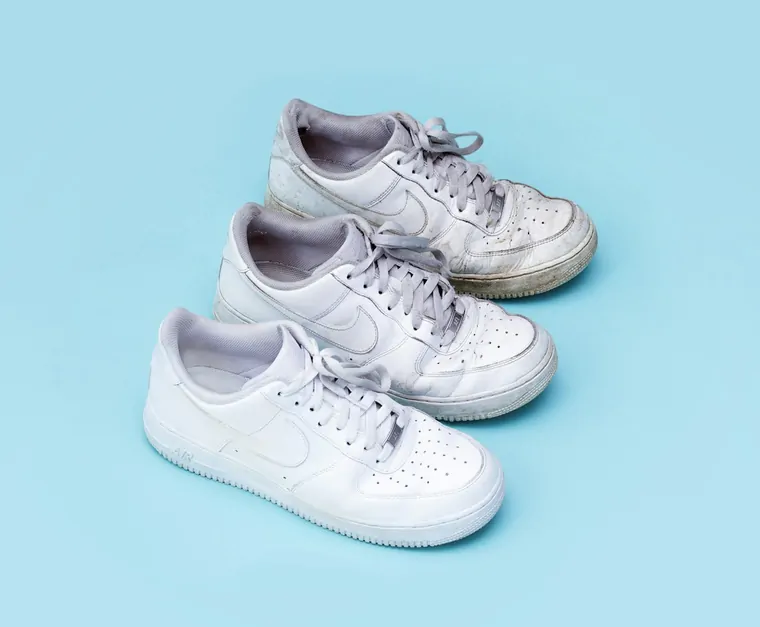
Trainers sent without a box ride in a bag among other things, and they often arrive with a pinched toe or a dent across the front. Most of that recovers if you act on the first day.
Take out any tissue, loosen the laces fully and push the tongue forward. Fill the toe and the body with crumpled paper until the shoe looks the shape it should, then leave it overnight. Repeat with fresh paper if the dent is still visible.
Check the soles and the toe box for scuffs while you are at it; light marks on rubber come off with a damp cloth and a little soap. Deep dents in stiff leather may need a few days with shoe trees.
Shoe trees and paper stuffing
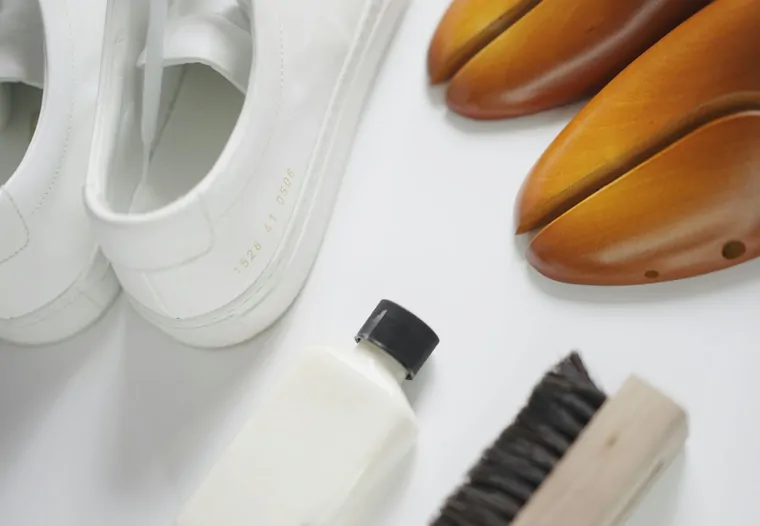
Shoe trees hold a shoe's shape while it rests between wears, and unvarnished cedar ones also draw out some moisture. Put them in soon after you take the shoes off, while the leather is still warm, and leave them in until the next wear.
The tree should sit snugly without forcing the shoe; if the sole bends into a curve, it is too big. For trainers and canvas shoes, crumpled paper does much the same job and costs nothing.
Allow shoes to dry fully between wears before storing them. How long this takes depends on the material, how wet they are and the environment. Remove removable insoles when the maker allows it and keep the pair away from direct heat.
Cleaning uppers, midsoles and laces
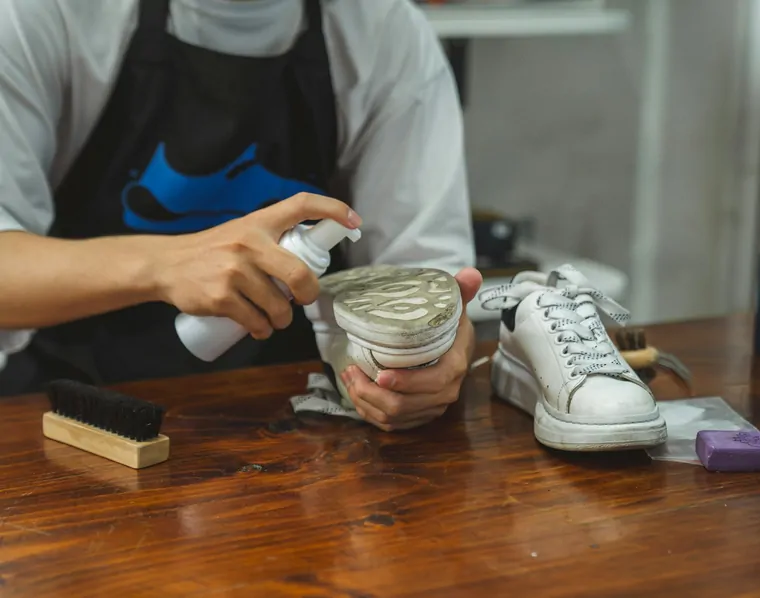
Brush off dry dirt first. Then clean uppers with a soft brush or cloth dipped in water with a little mild soap, working in small circles, and wipe away the suds with a clean damp cloth. Midsoles take a firmer brush. Use the suede routine on any suede panels instead of water.
Laces wash best on their own: take them out, soak them in warm soapy water, rub them between your hands, rinse and let them dry straight.
Machine washing trainers is a gamble even when people say it works. Glue, foam and leather do not like a hot drum, so if you try it, use a cool cycle, a mesh bag and no dryer, and only with fabric trainers.
Drying wet shoes slowly
Wet shoes should dry slowly. Take out the insoles and laces, stuff the shoes with paper or a towel, and change the paper when it gets damp. Stand them somewhere with moving air, not on a radiator or by a fire.
Direct heat dries the outside first and can shrink or crack leather, weaken glue and warp soles. It can take a day or more for a pair to dry through; patience here saves the pair.
Once dry, brush suede back up and give smooth leather a little conditioner, since soaking strips some of its moisture.
Caps: brims, crowns and sweatbands
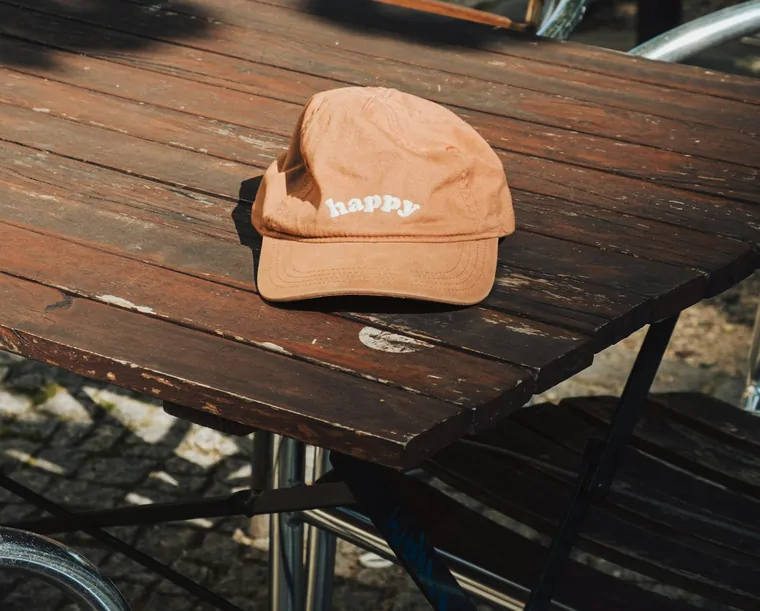
A cap has three parts to think about. The brim keeps its curve if it is never folded or crushed. The crown keeps its shape if the cap is stored crown-up or nested. The sweatband takes most of the grime.
Between washes, wipe the inside band with a cloth dampened in water and a little detergent; that alone extends the time between proper washes considerably. A soft brush takes dust off the outside.
After unpacking, push a rolled towel into the crown for a day if it arrived squashed. Most structured fronts spring back.
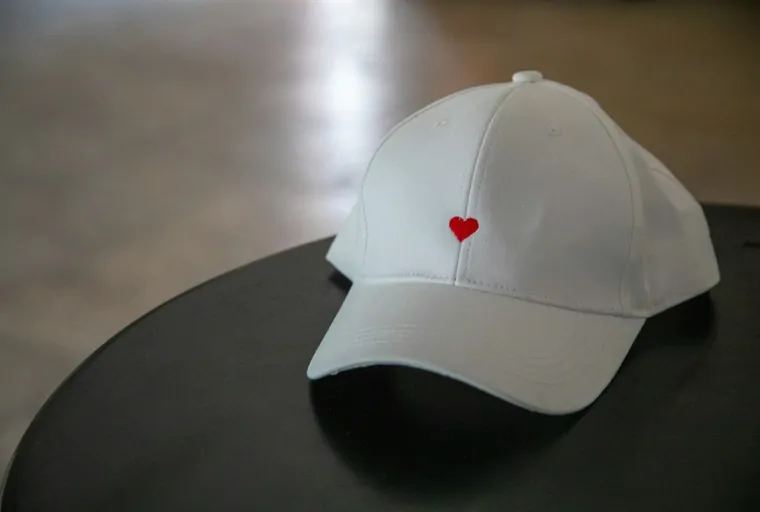
Washing a cap by hand
Fill a basin with cool water and a little mild detergent. Work at marks with a soft toothbrush, then soak the cap for about a quarter of an hour, swishing it now and then. Rinse under cool running water until no suds remain.
Press water out gently and blot the brim with a towel; twisting or wringing bends it. Dry the cap over an upturned bowl, a small container or a rolled towel so the crown keeps its shape, somewhere drips do not matter.
Keep caps out of the tumble dryer and the dishwasher. Wool caps need wool detergent and extra care, and older caps with card inside the brim should be spot cleaned only.